Specialties
-
![]()
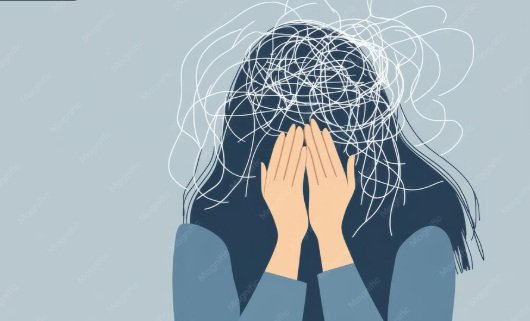
Anxiety
Common Symptoms
Anxiety can show up as excessive worry, racing thoughts, restlessness, irritability, difficulty concentrating, trouble sleeping, muscle tension, or feeling constantly “on edge.” Some people also experience physical symptoms such as a racing heart, shortness of breath, or stomach discomfort. Anxiety may lead to avoidance of situations that feel overwhelming or uncertain.
When to Seek Treatment
Consider therapy when anxiety feels difficult to control, interferes with relationships, work, sleep, or daily activities, or causes you to avoid things that matter to you. You don't have to wait until anxiety becomes overwhelming to ask for support.
How Therapy Can Help
Therapy can provide a safe, supportive place to understand where your anxiety comes from and learn ways to respond differently to anxious thoughts and feelings. Together, we can work toward greater calm, confidence, and a stronger sense of control in your life.
Click Arrow to See More Specialties:
-
![]()
Grief & Loss
Common Symptoms
Grief can involve sadness, longing, anger, guilt, loneliness, difficulty concentrating, changes in sleep or appetite, emotional numbness, or feeling disconnected from others. Grief is deeply personal and does not follow a predictable timeline. For some people, grief can become persistent and significantly interfere with daily life.
When to Seek Treatment
Therapy may be helpful when grief feels unbearable, you feel stuck in your loss, you're withdrawing from the people or activities that once mattered to you, or grief is making it difficult to function day to day. Support can also be valuable when a loss was sudden, traumatic, or complicated.
How Therapy Can Help
Therapy offers a compassionate space where you don't have to rush your grief or “move on.” We can make room for the emotions of loss while helping you gradually reconnect with yourself, your relationships, and the parts of life that still hold meaning. You can learn to carry your loss while continuing to build a life that feels meaningful.
-
![]()
Trauma/PTSD
Common Symptoms
Post-traumatic stress can include unwanted memories or nightmares, emotional or physical reactions to reminders of the trauma, avoiding people or situations connected to what happened, feeling constantly on guard, being easily startled, difficulty sleeping or concentrating, emotional numbness, or changes in mood and beliefs about yourself or the world.
When to Seek Treatment
Consider therapy if experiences from the past continue to feel present, you are avoiding reminders of what happened, or trauma symptoms are affecting your relationships, work, sleep, or ability to enjoy life. You deserve support even if the traumatic experience happened a long time ago.
How Therapy Can Help
Therapy can help you feel safer in your own mind and body while gently working through what you've experienced. At a pace that respects your readiness, we can develop tools for managing difficult symptoms, process painful experiences, and help you reconnect with the life you want to live.
-
![]()
Life Transitions
Common Symptoms
Major life changes can bring uncertainty, stress, sadness, irritability, self-doubt, difficulty making decisions, loss of motivation, or feeling disconnected from your usual sense of identity or direction. Transitions may include changes in relationships, career, family roles, relocation, retirement, or other significant shifts in life.
When to Seek Treatment
Therapy can be helpful when a transition feels overwhelming, you're struggling to adjust to a new chapter, or you find yourself feeling stuck, lost, or unsure about what comes next. You don't need to be in crisis to benefit from having support during a major change.
How Therapy Can Help
Transitions can be challenging even when they're positive or chosen. Therapy provides a space to slow down, make sense of what you're experiencing, and reconnect with what matters to you. Together, we can explore your values, build confidence, and help you move into your next chapter with greater clarity and intention.
-
![]()
Men's Issues
Common Symptoms
Men may experience stress, anxiety, depression, anger, irritability, emotional withdrawal, relationship difficulties, work-related pressure, low self-esteem, or difficulty expressing emotions. Cultural expectations around strength, independence, and self-reliance can sometimes make it difficult to recognize or ask for help.
When to Seek Treatment
Therapy may be helpful when stress, anger, relationships, work, or emotional struggles are becoming difficult to manage on your own. If you feel disconnected, overwhelmed, stuck, or like you're carrying everything alone, therapy can provide a place to work through those experiences without judgment.
How Therapy Can Help
Therapy doesn't require you to have everything figured out—or to become someone you're not. It can be a place to speak honestly, understand yourself more deeply, and develop healthier ways of handling stress, relationships, and emotions. The goal is to help you feel more grounded, confident, and connected while staying true to who you are.
-
![Codependency/People-Pleasing]()
Codependency/People-Pleasing
Common Symptoms
Codependency can involve difficulty setting boundaries, putting other people's needs ahead of your own, feeling responsible for others' emotions, fear of rejection or abandonment, difficulty saying no, seeking approval, or staying in relationships that leave you feeling depleted. You may also struggle to identify what you want or need for yourself.
When to Seek Treatment
Therapy may be helpful if you frequently feel responsible for keeping others happy, have difficulty setting limits, or find yourself losing your sense of self in relationships. It can also help if you repeatedly find yourself in unhealthy relationship patterns.
How Therapy Can Help
Therapy can help you understand where these patterns came from and begin building relationships that feel more balanced and fulfilling. Together, we can work on boundaries, self-trust, communication, and learning that caring for yourself is not selfish. You can learn to care about others without abandoning yourself in the process.
-
Self-Worth/Low Self-Esteem
Common Symptoms
Low self-worth may look like persistent self-criticism, comparing yourself to others, difficulty accepting compliments, fear of failure, perfectionism, people-pleasing, difficulty asserting your needs, or feeling that you're not good enough. You may minimize your accomplishments while focusing heavily on perceived flaws or mistakes.
When to Seek Treatment
Consider therapy when negative beliefs about yourself are affecting your relationships, confidence, decisions, or willingness to pursue the things you want. If you regularly feel inadequate, undeserving, or afraid of being judged, therapy can help you understand and change those patterns.
How Therapy Can Help
Therapy offers a space to develop a kinder, more balanced relationship with yourself. Together, we can explore the experiences and beliefs that have shaped how you see yourself and begin challenging the inner critic that holds you back. Over time, the goal is to help you build greater self-trust, self-compassion, and confidence in who you are.